Camping Gear Checklist for Your First Trip
Start with the ten essentials, then sleep, kitchen and clothes. Everything else depends on the weather and the site.
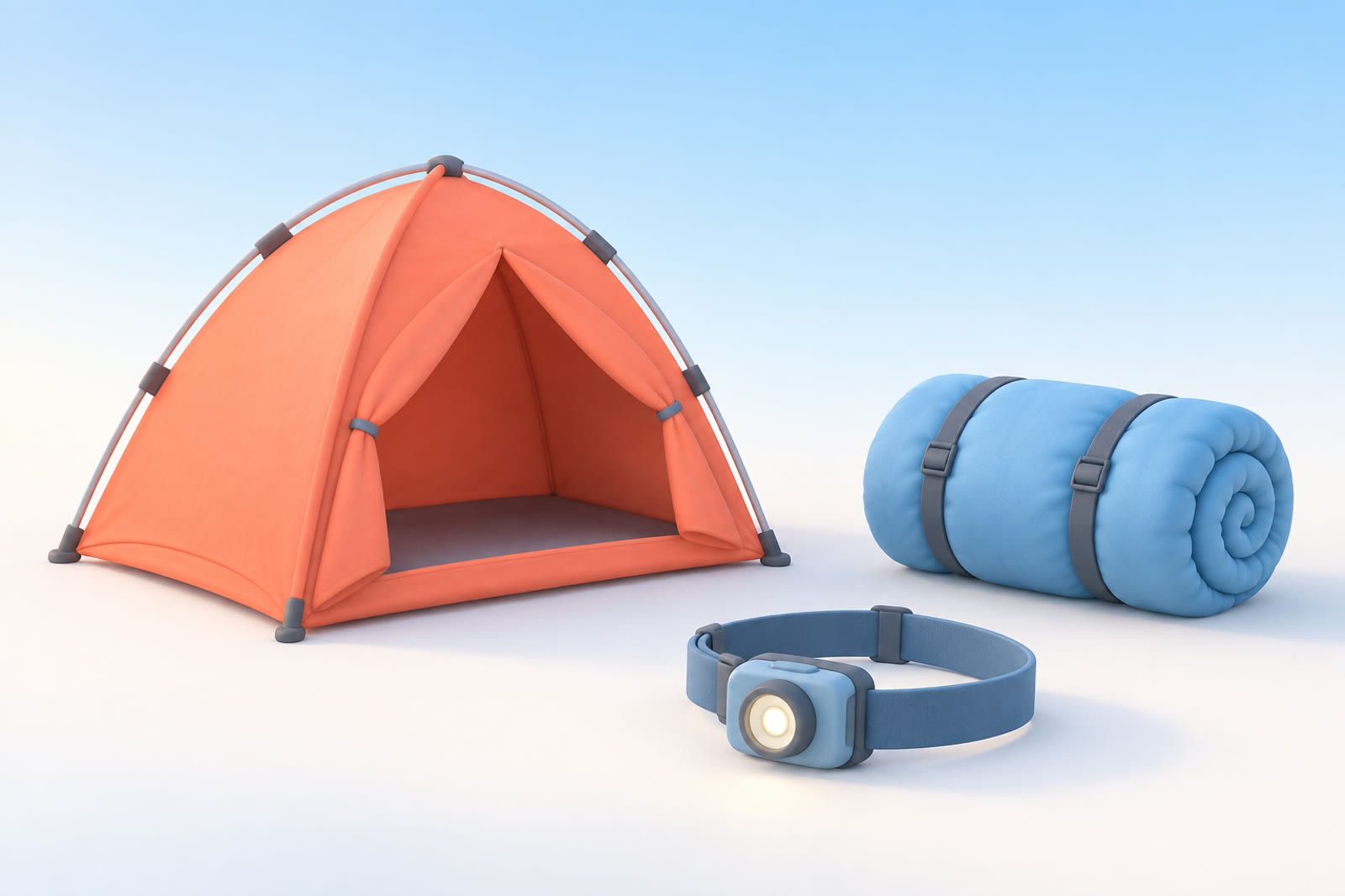
Build your camping gear checklist around safety, sleep, food, and the conditions at your destination. For a first family trip, the aim is a camp you can set up, use, and pack away without searching through bags of unfamiliar equipment.
This guide assumes you are starting with a campground trip where the vehicle remains nearby. More remote travel can demand additional equipment and skills. Check the destination's facilities, current conditions, and rules before deciding what belongs in the car.
Start your camping gear checklist with the Ten Essentials
The US National Park Service's Ten Essentials guidance describes a system developed by The Mountaineers. Think in categories rather than treating a purchased kit as proof you are prepared. The NPS notes that you may need more depending on the activity.
Navigation
Bring a map, compass, and GPS as appropriate, and know how to use them. The NPS recommends a physical map as backup and an extra phone battery. Familiarize yourself with the campsite and planned route before leaving; owning navigation equipment does not replace understanding it.
Sun protection
Pack sunglasses, sunscreen, and a hat. Keep them somewhere accessible during the journey and around camp, rather than buried under sleeping equipment. Time outside includes setting up shelter, preparing meals, and walking to facilities, not only planned hikes.
Extra clothing
The NPS includes a jacket, hat, gloves, rain shell, and other layers. Choose for the conditions you could encounter, including cooler evenings and wet weather. Keep dry clothing protected so a damp bag does not compromise the spare layers you packed.
Illumination
Bring a flashlight and headlamp, with extra batteries. The NPS recommends headlamps because they leave your hands free. Test the lights before departure and keep a usable light accessible during setup, especially if arrival may be later than planned.
First-aid supplies
Start with a ready-made kit and adapt it to the trip and your medical needs, as the NPS advises. Check expiration dates and include personal medications. Make sure the responsible adults know where supplies are stored and retain the instructions associated with medications.
Fire
The NPS lists matches, preferably waterproof, or a lighter and fire starters. Learn the park's fire rules before deciding how you will cook or whether a campfire is possible. Possessing fire-making supplies does not mean lighting a fire is permitted.
Repair kit and tools
The NPS includes duct tape, a knife, a multi-tool, and scissors. Think about what could realistically need attention in your setup, such as a damaged strap or shelter component. Bring tools you understand and keep sharp items secured around children.
Nutrition
Pack an extra day's supply of food, preferably food that does not require cooking. Keep it identifiable as backup rather than accidentally using it all for the first meal. Choose foods your group can eat, and follow the destination's food-storage instructions.
Hydration
Bring water and water-treatment supplies. Confirm what water is available at the destination before relying on it. Understand how your treatment method works and what it is intended to address; packing an unfamiliar device is not the same as being able to use it.
Emergency shelter
The NPS lists a tent, space blanket, tarp, or bivy. Consider what shelter you will have with you if you leave the campsite, rather than counting equipment that stays in the vehicle. Match your plan to the activity and expected conditions.
Sleep: build and test the whole setup
Need: a suitable tent with its required poles and fastenings, sleeping bags or bedding appropriate to the expected conditions, and sleeping pads or mats. Check that the sleeping setup fits inside the shelter with the people who will use it.
Set up the tent at home and inspect its components. Lie down on the sleeping arrangement rather than judging comfort from a folded package. Put the parts back together so you know what a complete packed shelter looks like.
Can skip: decorative camp furniture, elaborate bedroom organizers, and spare bedding with no clear purpose. A familiar pillow may earn its space; an entire second bedroom setup usually makes packing harder.
Kitchen: choose meals before equipment
Need: food, drinking vessels, eating utensils, a practical preparation setup, cleaning supplies, and whatever storage the destination requires. If cooking, bring an appropriate stove and its correct fuel only where permitted, and follow the equipment's instructions for outdoor use.
Plan simple meals around ingredients and preparation steps you already understand. Check that the cookware suits your cooking equipment. Decide how you will handle food scraps, washing, and rubbish before arriving.
Can skip: a different pan for every meal, fragile serving dishes, and specialist cooking accessories you have not used. A straightforward menu is often the easiest way to reduce the kitchen load without making meals unpleasant.
Clothing: pack for conditions and ordinary mess
Need: practical daytime clothing, extra layers, rain protection, suitable footwear, and dry replacements for items likely to get wet. Keep sleeping clothes protected from muddy daytime activities where possible.
Group clothing by person so finding a child's dry socks does not require emptying the vehicle. Put wet or dirty items somewhere separate from clean layers after use.
Can skip: outfit changes chosen only for photographs, duplicate bulky jackets serving the same purpose, and footwear with no planned use. Reduce redundant choices while retaining the clothing needed for changing conditions.
Hygiene: check the facilities before packing
Need: personal hygiene supplies, toilet paper where needed, soap appropriate to your washing arrangement, a towel, and a plan for waste. Bring the supplies your household actually uses, including menstrual products and any necessary personal care items.
Check whether the campground has toilets, washing facilities, and drinking water. Follow local instructions for washing and disposing of waste; do not assume the facilities resemble those at a previous campsite.
Can skip: a complete bathroom shelf, oversized containers, and duplicate products that nobody expects to use. Pack small practical quantities without removing something a family member depends on.
Add what your children actually need
Bring familiar sleeping items, suitable spare clothing, and the food and personal care supplies your children use. A compact comfort item can help an unfamiliar tent feel less strange. Choose entertainment that packs easily and suits the location.
Walk children through the campsite boundaries and the route to facilities with an adult. Make sure responsible adults know where medications, lights, and dry clothing are kept. Avoid putting essential family supplies in a bag that only a child knows how to identify.
Give children manageable packing responsibilities, then have an adult check essentials. The aim is participation without relying on a child's memory for the household's safety equipment.
What usually earns less space in the car
Large entertainment setups, excessive furniture, and accessories for hypothetical activities can overwhelm a first trip. Ask what each bulky item will do during this particular stay. If the answer depends on an activity nobody plans to attempt, leave it for another outing.
Do not apply that trimming exercise to the safety categories simply because you hope not to need them. Remove duplicated comforts before removing equipment intended for changing weather or unexpected delays.
After the trip, note what was missing, what worked, and what stayed unused. Consider why it was unused before deleting it from the checklist.
Buy gradually from a checked list
Inventory what you own, then borrow suitable equipment where possible. Record missing components as well as whole items: a tent you own may need attention rather than replacement. Test borrowed gear with the same care as new gear.
Save possible purchases ahead of the trip. For a larger item, decide the specifications you need and what price would be acceptable before watching for changes. Also leave time to receive and test it. A tempting offer is less useful when the equipment does not fit your planned camp.