Why You Save in Readwise Reader but Never Read It
Saving an article in Readwise Reader removes the urgency to read it. Give each save a purpose, keep a short active queue and retrieve by need.
Saving and reading are different jobs
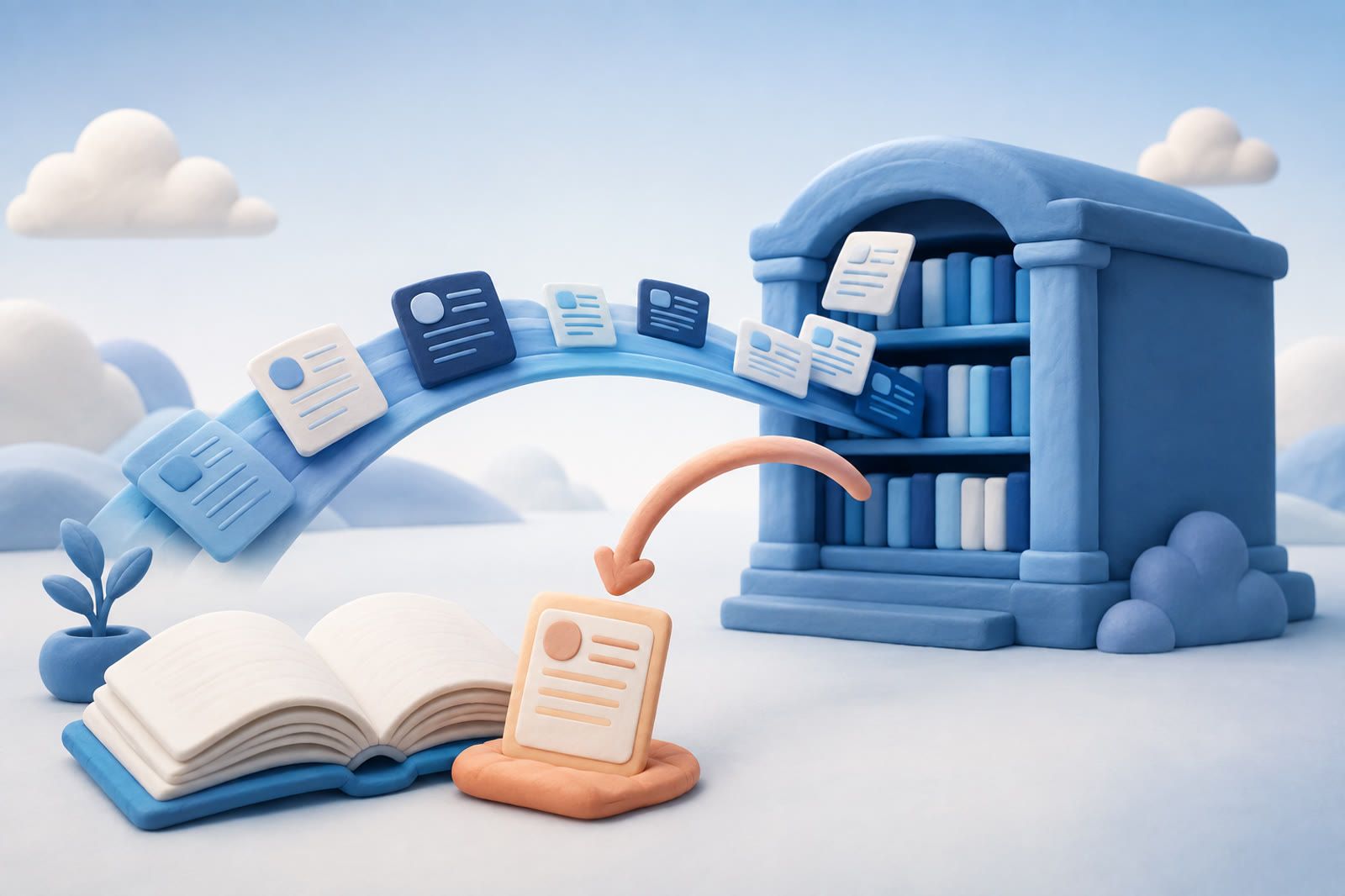
Saving takes almost no commitment. You see a useful article, decide it may matter later and move it into Readwise Reader. That removes the fear of losing it.
Reading asks for time, the right level of attention and a reason to care now. Pressing save creates none of those conditions.
A full queue is therefore not a reading plan. It is a collection of past intentions—some serious, others lasting only as long as an appealing headline. Understanding why you save everything and never return helps separate capture from reading.
Give every save a future use
Before saving, finish this sentence:
“I will use this when I…”
Useful answers include:
- plan the Berlin trip;
- choose a new office chair;
- prepare for the meeting with Sam;
- fix the garden irrigation;
- write the proposal.
If you cannot finish the sentence, the article may be interesting rather than useful. You can still save it, but it should not enter the same queue as active work.
The future use becomes a retrieval clue. When the Berlin trip becomes real, you know which material belongs. Without it, you are waiting for the title to become interesting a second time.
Separate active reading from the archive
One long queue makes every article appear equally relevant and turns the collection into an obligation.
Keep a small active list for material you expect to open soon. Let everything else be an archive. The archive is not a promise; it is available if a future question makes it useful.
Move an article into the active list only when you can name the time or situation in which you will read it—a commute, research block or preparation for a conversation. Do not promote it merely because it has waited. Age does not create importance.
This distinction reduces the stress of never revisiting saves. An archive can be large without becoming a to-do list.
Save the useful part, not only the page
A bare link preserves access but not your reason for caring. Add a short note in your own words: the question it answered, the person who needs it or the decision it could change.
Examples:
- “Use this when comparing fixed and adjustable desks.”
- “The section on contract renewals applies to the vendor discussion.”
- “Send the example about morning routines to Maya.”
That note may be more valuable than the title. You may forget the author's wording but remember Maya or the vendor discussion. The same applies to journal prompts collected but never used: a prompt becomes useful when connected to a real moment.
Read by question, not queue order
A queue suggests that the oldest article should be handled first. Information rarely becomes useful in that order.
Start with a current question: what are you deciding, understanding or making? Search your saved material for that subject, then read what can help now.
Use words you naturally remember—the person, project, problem or decision. If Reader's structure does not match your recall, keep a small index in your notes or use a recall tool such as dEssence to ask questions across saved material.
Keep cleanup proportionate
Delete an article when the topic no longer matters, its information is outdated for your purpose, the title was more useful than the body, or it duplicates something you already understand.
Do not turn cleanup into another reading queue. Ask: If this disappeared, would I search for it again? If not, removal costs little.
You can also leave old material in the archive. Cleanup matters only when it improves retrieval; it should not become a maintenance ritual.
The practical reset
Readwise Reader can hold far more than you will ever read. That is not automatically a problem. Trouble begins when every save becomes an unspoken promise.
Keep a small active list for real commitments, treat everything else as an archive and return through a current question instead of waiting for the backlog to call you back.