How to Organize Plant Care Notes in Google Keep
Keep each plant’s care instructions, photos and observations together in Google Keep, without building a complicated tracking system.
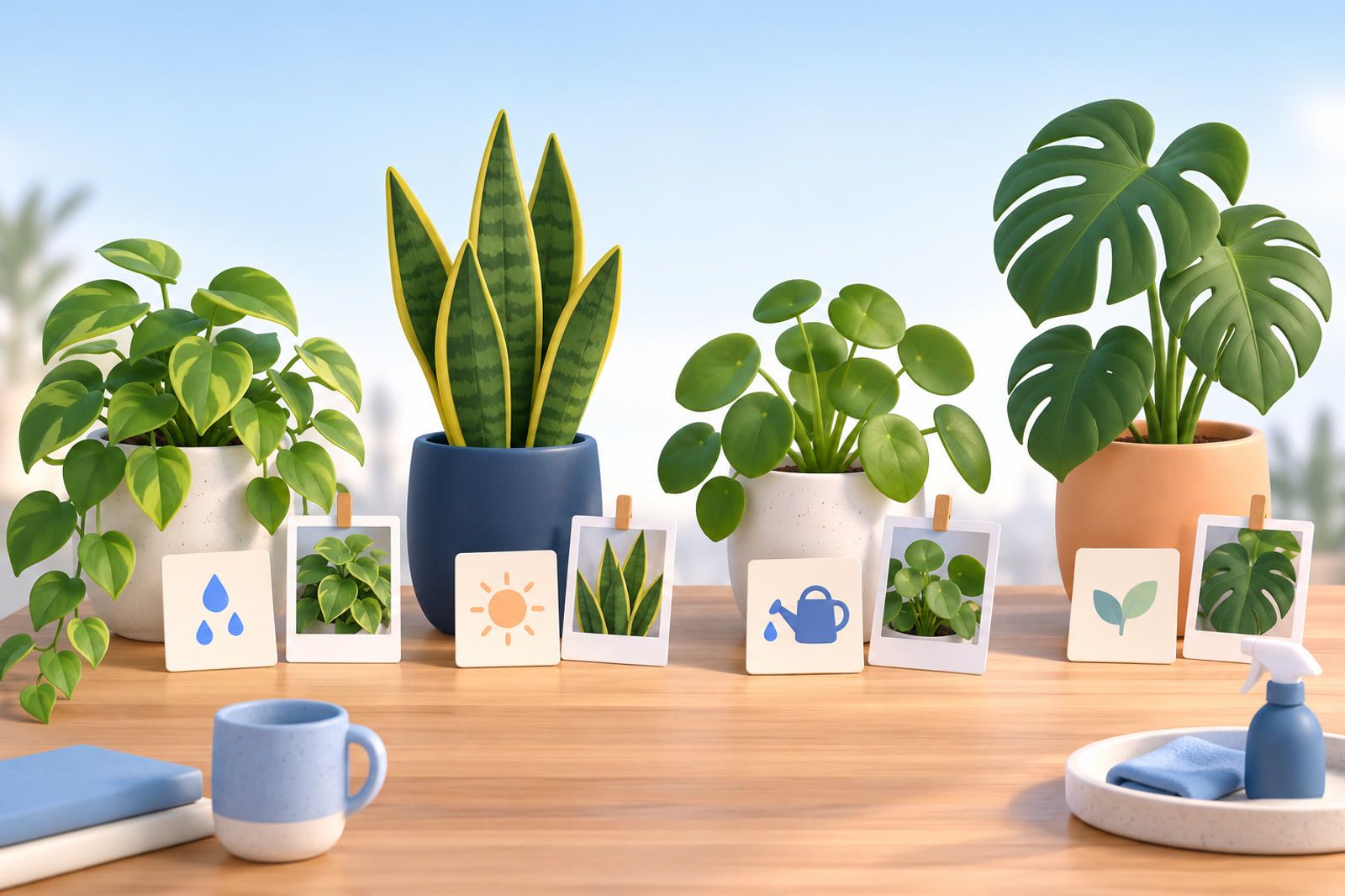
Create one note for each plant
One note containing every plant becomes hard to use as needs diverge. A fern and succulent require different care, and two pothos plants in different rooms may behave differently. Each note should represent one physical plant, not a species or room.
Use a title you immediately recognize:
Kitchen pothos
If you do not know the name, use your own description:
Trailing plant from the Saturday market
That is more useful than an uncertain botanical name because it matches how you will remember the plant.
Use the same short template
Start each note with four lines:
- Location: Kitchen shelf near the east window
- Light: Bright light, no strong afternoon sun
- Water: Check when the top inch of soil feels dry
- Source: Saturday market nursery
Record what the nursery worker actually said. Do not replace specific instructions with generic online advice. Useful guidance often arrives while you are holding a pot, paying and trying not to block the next customer.
Capture a rough version before leaving. A sentence such as less water in winter, keep away from the radiator is more valuable than a polished note you never create.
Add a photo that identifies the plant
Attach a clear photo showing the whole plant and its pot. It helps distinguish similar leaves and creates a visual starting point.
Add another photo when something meaningful changes:
- The day it comes home
- Its first new leaf
- A change of location
- Repotting
- Yellowing, curling or damage
- Recovery after a care change
Date each observation. A few meaningful entries are enough; Google Keep does not need to become a daily plant journal.
Label without over-organizing
Create one label called Plant Care and apply it to every plant note. Avoid separate labels for every room, species and problem. The title and note already contain most of that information.
Pin a note while actively watching a plant, such as a fern moved away from a sunny window. Unpin it once the condition stabilizes. This keeps attention visible without making every note urgent.
Record changes, not every watering
Plant notes are most useful when they explain decisions:
- 12 May: Moved from hallway to bedroom for more light.
- 19 May: Soil remained wet for more than a week. Skipped watering.
- 2 June: Repotted into a pot with a drainage hole.
These entries help establish whether yellowing began before or after a move, whether soil stayed wet after repotting or whether growth followed improved light.
If you want a lightweight watering record, keep one checklist item containing the latest date and replace it after watering. Avoid an endless log unless you genuinely use it.
Keep advice separate from observations
Preserve original nursery instructions at the top. Put dated observations under Updates or below a divider. If the plant becomes unhappy, you can compare what was recommended with what changed.
Generic care pages describe typical plants. A nursery worker may know this plant's potting mix, recent repotting and previous conditions. Preserve that specific information first.
Find a note quickly
Include the words you naturally use, such as:
- kitchen plant
- Saturday market
- yellow leaves
- trailing plant
- east window
If you learn the proper name later, add it without deleting the original description. Search is best for a specific problem; the Plant Care label is best for a household review.
When Google Keep feels crowded
Google Keep works well for lightweight notes, photos and simple retrieval. A dedicated plant app may be better for a large collection requiring structured records.
If care advice is mixed with saved articles, product pages and videos, a general retrieval tool such as dEssence is another option. Keep remains simpler when plant records already sit comfortably beside your other notes.
The goal is not the most elaborate system. It is one recognizable place where each plant's instructions and history survive the trip home.